

From Scrap to
Precision Metal
We Build Plants
We guide aluminium industry investors from concept to commercial production — turning capital into optimized, profitable manufacturing operations across secondary aluminium recycling and extrusion.
Completed Reference Facilities
FROM SCRAP TO PRECISION METAL. WE BUILD PLANTS
We guide aluminium industry investors from concept to commercial production — turning capital into optimized, profitable manufacturing operations across secondary aluminium recycling and extrusion.
Our Vision
To protect investor capital from the structural mistakes that derail aluminium manufacturing projects, ensuring optimized factory design and realistic investment sizing from day one.
Our Mission
- Deliver end-to-end investment advisory.
- Drive process improvement and yield optimisation.
- Transfer expert knowledge to in-house teams.
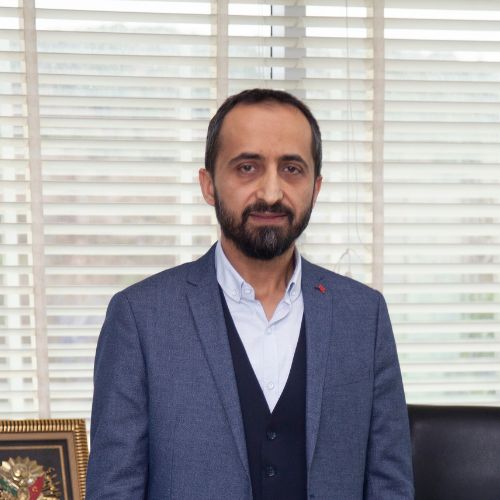
Founder
Industrial Consulting & Engineering: Turnkey Projects, EPC and Plant Optimization
Industrial Consulting & Engineering is a critical necessity because the decision to build, expand, or restructure an industrial plant is a massive capital commitment. Although technical complexity is significant, the most common source of project failure is not technical at all. Instead, it is the absence of a coherent thread connecting commercial intent to thousands of subsequent decisions. Specifically, these choices occur during engineering, procurement, construction, and commissioning. Therefore, Industrial Consulting exists precisely to maintain that vital thread. Consequently, this ensures that every step reinforces, rather than quietly erodes, the original strategic case. Furthermore, our advisory work is concentrated in Qatar and the wider GCC region, where regional fluency is a baseline requirement.
Industrial Consulting, Metallurgical Consulting Services and Foundry Consulting
To begin with, few sectors expose the cost of poor advisory work as clearly as metals. Metallurgical Consulting Services bring strict discipline to the chemistry, cleanliness, and process control. Ultimately, a plant’s long-term performance depends entirely on these factors. In addition, Foundry Consulting addresses the integrated logic of the furnace, melt treatment, and casting line. Because of this, we view the plant as a single operating system rather than a collection of separate purchases. Moreover, the most useful consultancies in this space are those willing to take a clear strategic position. Consequently, strategic clarity at this stage allows everything downstream to proceed smoothly. As a result, you can avoid the costly course corrections that erode otherwise sound investments.
Turnkey Foundry Projects and Turnkey Aluminium Plant Delivery
Furthermore, Turnkey Foundry Projects are highly attractive in principle. This is because they appear to transfer execution risk to a single contractor. However, in practice, they only deliver on that promise when the owner’s interests are properly defended. This defense must occur throughout the engineering and procurement phases. Specifically, a Turnkey Aluminium Plant involves hundreds of critical interface decisions. These include links between casting and remelting, or utilities and process. In addition, they cover automation and manual operation. Therefore, the contractor’s natural incentive is to optimize for delivery efficiency rather than long-term operating economics. For this reason, an independent advisor sitting on the owner’s side of the table is essential. This setup is the structural mechanism through which you can manage misalignment. Indeed, the best-performing turnkey plants always feature strong owner’s-engineer involvement from the very beginning.
Engineering Procurement Construction and EPC Industrial Projects
In the next stage, Engineering Procurement Construction is the standard contracting model for large industrial plants. However, its success depends almost entirely on the quality of work performed before signing the contract. Specifically, EPC Industrial Projects that fail rarely encounter layout problems during construction. Instead, they fail during the feasibility and basic engineering stages. This happens when scope, performance guarantees, and acceptance criteria are inadequately defined. Consequently, the role of an independent consultancy at this stage is to protect the owner. We ensure that the contract reflects the plant you actually intend to operate. Moreover, the performance guarantees, payment milestones, and quality criteria must protect your investment. Ultimately, plant feasibility cannot be separated from the commercial and trading strategy that will supply and offtake from it.
Industrial Plant Engineering and Technical Consulting
In addition, Industrial Plant Engineering translates strategic intent into specific technical decisions. These choices determine how a plant will actually behave once it operates at full load. However, the most consequential decisions at this stage are rarely the most visible ones. Instead, they are the layout choices, utility sizing, and interface specifications that shape every operating year. Therefore, Technical Consulting earns its value here by stress-testing those decisions. We test them against realistic operating scenarios rather than design conditions that exist only on paper. These scenarios include peak load, partial load, alloy changeover, and maintenance windows. Consequently, plants engineered only for paper conditions face severe risks. They are the most common source of the chronic underperformance we are later asked to diagnose.
Production Optimization, Manufacturing Consulting and Industrial Process Engineering
Once a plant is operating, the strategic question shifts to how well it is being used. Fortunately, Production Optimization rarely requires dramatic capital intervention. Instead, meaningful gains are available through disciplined attention to small inefficiencies. These details quietly compound across thousands of operating hours. Furthermore, Manufacturing Consulting brings a fresh external perspective to your operating teams. This is valuable because teams often become accustomed to invisible constraints. In contrast, Industrial Process Engineering provides the analytical rigor needed to find real bottlenecks. As a result, you can distinguish genuine bottlenecks from symptoms of upstream problems. In conclusion, this combination produces durable operational improvement that survives long-term.
Plant Commissioning and Industrial Project Management
Subsequently, Plant Commissioning is the stage where every earlier decision is finally tested. However, it is also where many choices reveal themselves to have been incomplete. The plants that commission cleanly are not the ones that were luckiest during construction. Instead, they are the ones where commissioning planning began during basic engineering. We have seen this clearly in extrusion plant projects. Specifically, coordinated commissioning planning made the difference between a smooth ramp-up and a year of preventable rework. Therefore, Industrial Project Management is the discipline that holds this entire arc together. It spans from feasibility through commissioning to final handover. Moreover, its quality is visible in the speed and confidence of problem resolution. Project management measured only by schedule adherence is no longer useful. Rather, the real measure is how rarely it allows minor problems to become major ones.
Factory Setup Solutions: Greenfield and Brownfield Projects
Finally, Factory Setup Solutions cover two fundamentally different challenges. First of all, Greenfield Foundry Projects offer the advantage of a clean architectural sheet. However, they also carry risks that come with total freedom. Every assumption must be made explicit because nothing in the existing environment constrains a poor decision. This is highly visible in greenfield aluminium recycling and secondary processing plants. Specifically, feedstock assumptions made on paper rarely survive contact with the actual regional scrap pool. The same logic applies in non-ferrous metals projects, where each metal’s commercial rhythm must be engineered early. Secondly, Brownfield Plant Upgrades operate under the opposite operational logic. Every decision is strictly constrained by existing infrastructure and ongoing production commitments. Consequently, the skills required for each project type are related but distinct. The most expensive mistakes come from applying greenfield assumptions to brownfield realities.
In conclusion, the pattern across every industrial project we have advised on is highly consistent. The plants and operations that succeed are those where strategic intent and technical engineering remain tightly aligned. This alignment must continue through final handover. Therefore, the role of an independent consultancy is to enforce that exact discipline. We challenge assumptions early to defend the owner’s long-term interests. Ultimately, this ensures that the final operating facility matches the original investment case. The operating standards we ask our work to be judged by are fully described in our capabilities and positioning overview.