

From Scrap to
Precision Metal
We Build Plants
We guide aluminium industry investors from concept to commercial production — turning capital into optimized, profitable manufacturing operations across secondary aluminium recycling and extrusion.
Completed Reference Facilities
FROM SCRAP TO PRECISION METAL. WE BUILD PLANTS
We guide aluminium industry investors from concept to commercial production — turning capital into optimized, profitable manufacturing operations across secondary aluminium recycling and extrusion.
Our Vision
To protect investor capital from the structural mistakes that derail aluminium manufacturing projects, ensuring optimized factory design and realistic investment sizing from day one.
Our Mission
- Deliver end-to-end investment advisory.
- Drive process improvement and yield optimisation.
- Transfer expert knowledge to in-house teams.
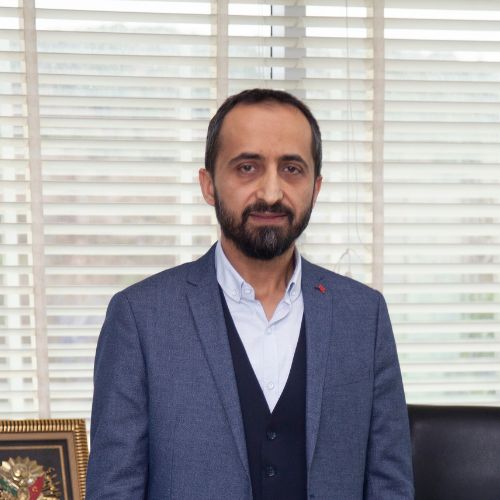
Founder
Aluminium and Metals Consultancy in Qatar and the GCC: Regional Expertise for Industrial Investors
Aluminium and Metals Consultancy in Qatar and the GCC is a strategic necessity because the regional metals sector operates under highly distinct conditions. Specifically, these conditions differ sharply from European, Asian, or North American markets. Furthermore, energy economics, scrap availability, and regulatory regimes all follow regional logics. These factors cannot be addressed through imported best practices alone. Consequently, successful industrial groups are those that understand these specificities from the very start. In contrast, those that struggle routinely rely on advisory work calibrated for entirely different environments. Therefore, local presence and regional fluency are baseline requirements for credible work in this sector.
Qatar Aluminium Industry and the Gulf Aluminium Market
To begin with, the Qatar Aluminium Industry occupies a distinctive position in the regional metals landscape. This position is strongly supported by competitive energy costs and strategic logistics infrastructure. In addition, a long-term industrial diversification agenda continues to attract serious capital. While the broader Gulf Aluminium Market is a massive global producer, its downstream capacity has historically lagged primary smelting capability. Therefore, this specific imbalance is precisely where the most attractive investment opportunities currently sit. Specifically, you can find major potential in aluminium extrusion and downstream processing. Consequently, the regional gap between primary and value-added capacity has created a structural opening. As a result, groups that move into these segments with disciplined planning will benefit for a decade or more.
GCC Metal Industry and Middle East Aluminium Market Dynamics
Moreover, the GCC Metal Industry behaves as an integrated commercial region in many respects. Material flows, technical talent, and customer relationships routinely cross regional borders. Indeed, these borders look more significant on a map than they do in practice. The same regional logic governs copper, zinc, and brass operations across the GCC. Specifically, the same cross-border commercial rhythms apply with their own metal-specific variations. Furthermore, the Middle East Aluminium Market is shaped by a small number of major primary producers. It also features a growing population of downstream processors and an active scrap ecosystem. Therefore, understanding how these segments interact is essential for any industrial investor. You must evaluate where surpluses flow, where bottlenecks emerge, and how pricing transmits across borders. Consequently, advisory work that treats these as fully independent national markets misses the actual commercial reality.
Qatar Foundry Solutions and GCC Foundry Engineering
In the next stage, Qatar Foundry Solutions have evolved significantly over the last decade. This growth is supported by the region’s industrial diversification agenda. Additionally, it is driven by the rising sophistication of downstream customers in construction and manufacturing. Consequently, plants designed for the regional context perform measurably better than generic alternatives. They far outperform operations that simply replicate European or Asian templates without adjustment. Specifically, GCC Foundry Engineering requires explicit attention to ambient operating conditions and available labour profiles. Furthermore, engineers must evaluate regional spare parts and local alloy mix demands. Therefore, the most credible foundry projects are those calibrated for these realities from the basic engineering stage onward. Instead of retrofitting a generic design, successful investors plan for local conditions early.
Aluminium Consulting Qatar and Qatar Industrial Consulting
In addition, Aluminium Consulting Qatar is a narrower specialization than general industrial advisory. For this reason, the difference matters far more than it appears. The regional value chain has its own commercial logic and technical norms. This spans from primary smelting through extrusion, casting, recycling, and trading. However, generalist consultancies rarely engage with these factors at the required depth. Qatar Industrial Consulting more broadly serves investors across multiple sectors. Nevertheless, advisory work in metals specifically rewards firms that build genuine sector expertise. Rather than applying generic frameworks, specialized knowledge is required. Therefore, the most valuable advisory engagements combine regional fluency and sector depth. As a result, you can avoid generalist project management frameworks that fail to comprehend the sector.
Industrial Projects Qatar and Metal Trading Qatar
Subsequently, Industrial Projects Qatar operate within a strict regulatory and procurement environment. This structure rewards thorough preparation and disciplined documentation far more than speed alone. Therefore, owners must treat permitting and environmental compliance as integrated parts of the project plan. Instead of navigating them as obstacles after engineering is complete, they must handle them early. Consequently, this approach allows you to deliver projects on significantly better terms. Metal Trading Qatar sits within a unique regional commercial ecosystem. Specifically, relationships, counterparty credibility, and documented compliance carry massive weight. For this reason, trading operations built on disciplined supplier qualification consistently outperform those built on price alone. This competitive edge becomes critical through periods of market stress when relationships are tested.
Aluminium Recycling Middle East: A Strategic Regional Opportunity
Finally, Aluminium Recycling Middle East represents a highly attractive strategic segment over the coming decade. First of all, domestic scrap pools have reached a viable commercial scale. Secondly, downstream demand for secondary metal continues to grow rapidly. Furthermore, global brand owners increasingly require documented recycled content as a condition of supply. Therefore, investors and industrial groups must position themselves now through disciplined feasibility work. Specifically, you need properly configured plant designs and credible offtake relationships. As a result, you can establish strong market positions that later entrants will find expensive to challenge. While the structural case is strong, it does not automatically guarantee success. Rather, it translates into successful projects only for those who execute with absolute technical rigor.
In conclusion, the pattern across every regional project we have advised on is entirely consistent. Specifically, the investments that succeed combine genuine regional understanding with disciplined sector expertise. Therefore, you must resist the temptation to apply imported templates or generic frameworks to this market. The Gulf region operates under its own clearly defined commercial logic. Consequently, the role of an experienced consultancy is to bring local fluency and sector depth together. Ultimately, this step ensures that each project is customized for the market it will actually serve. The exact operational standards we ask our regional work to be judged by are fully described in our practice principles.